Overview.
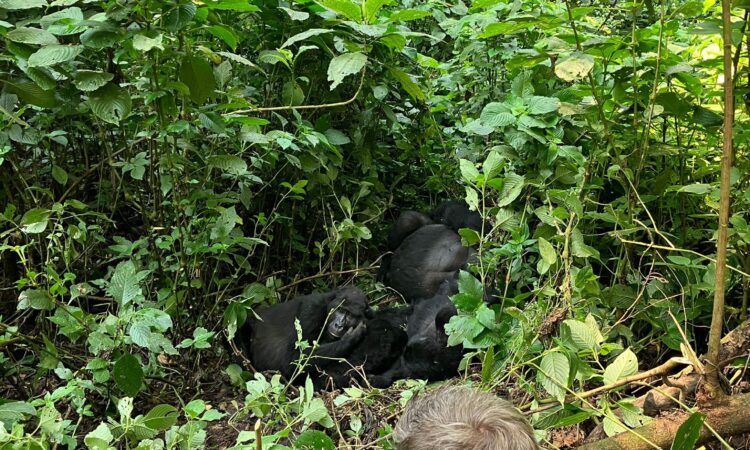
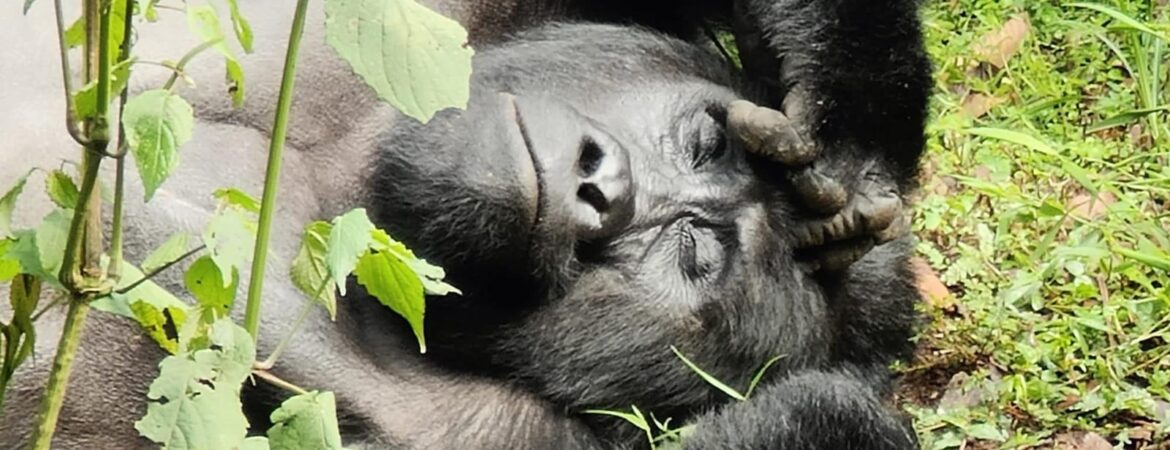
The 3 days Bwindi gorilla safari from Entebbe offers a lifetime opportunity to meet these endangered large apes. Immerse yourself into the lush Bwindi Impenetrable Forest to see the rare mountain gorillas. This short tour covers gorilla trekking and the Batwa cultural experiences. A total of gorillas, about 459 of the 1063 live on earth today exist within Bwindi Impenetrable National Park.
Bwindi Impenetrable National Park (BINP) is a tropical forest park located in Southwestern Uganda. Established in 1991 and it was primarily founded to protect the now endangered mountain gorillas. Its land area expands measuring up to 331sq.kms and houses not only mountain gorillas, but also other wildlife. The latter include African elephants, L’Hoest’s monkeys, chimpanzees, and black and white colobus monkeys. Somewhere around 360 bird species live here: Grauer’s swamp warblers, Shelley’s crimson wing, African green broadbill, etc.
Detailed itinerary.
Day 1: Bwindi Impenetrable National Park from Entebbe city
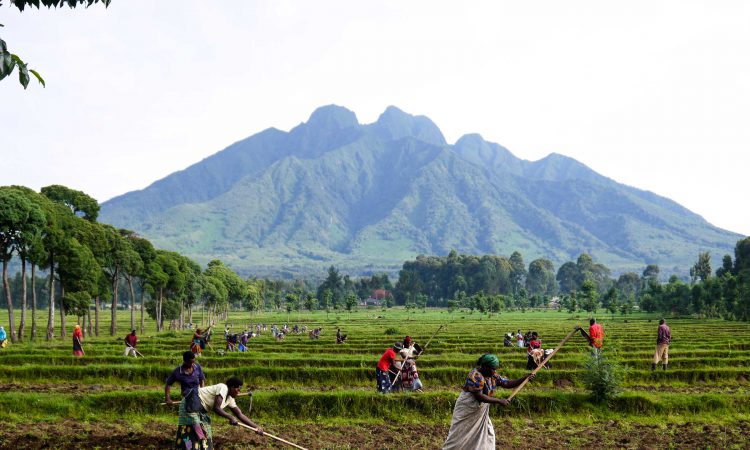
Leave Entebbe city for Bwindi Impenetrable National Park, 8-9 hours’ drive in a mechanically fit 4×4 safari vehicle. Drive through the Masaka-Mbarara-Kabale highway, with endless scenic views of the countryside. Expected stopovers on the journey to Bwindi will be the Equator crossing at Kayabwe. After photography and water experiment, continue to Igongo cultural center or any other hotel in Mbarara city to enjoy lunch.
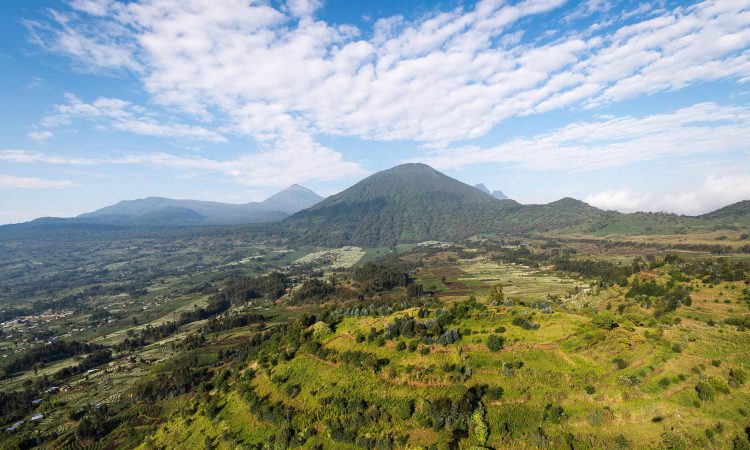
Equator separates the earth into 2 the Northern and Southern hemispheres. At Kayabwe, you will have a chance to stand on both. While you take pictures or perform an experiment using water. Continue southwards, while viewing the rolling hills and scenic rural countryside of Uganda. Check in at the safari lodge outside Bwindi National Park for evening relaxation, dinner and overnight stay. Well, now you have ended the first day of your 3 days Bwindi gorilla safari from Entebbe.
Day 2: Gorilla Trekking + Batwa cultural experience
Wake up and be provided with a sumptuous breakfast. After, head off for briefing at any of Bwindi National Parks’ 4 regions. Regions are Buhoma, Rushaga, Nkuringo and Ruhija sector. By gorilla trekking standards, strictly 8 tourists visit one habituated gorilla family. Twenty of them are found within Bwindi Impenetrable Forest. Each group of 8 visitors is allocated to a trained and experienced park guide to lead through the gorilla trek. This often lasts for about 2-6 hours.
The time spent trekking through Bwindi Impenetrable Forest varies depending on your fitness level. Additionally, the nature of habitat and location of a family of gorillas are other factors. Find a silverback with his group members. Let the park ranger/guide permit you to enjoy only 1 hour face-to-face with them including photography.
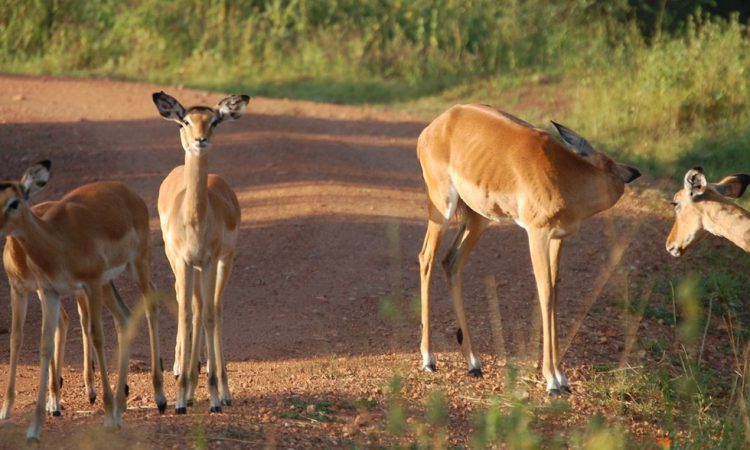
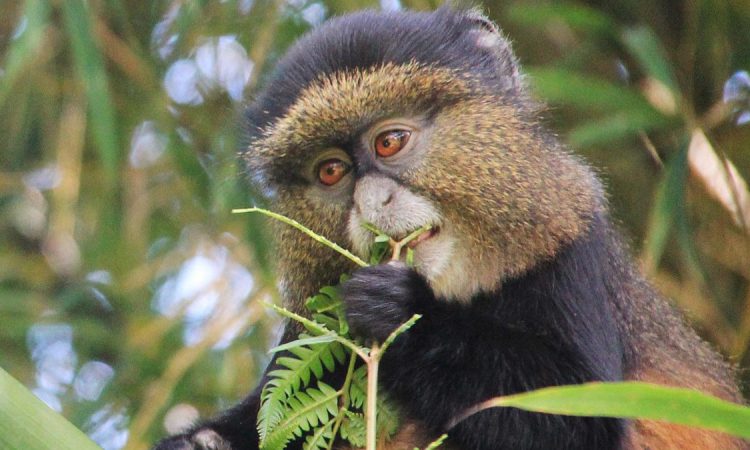
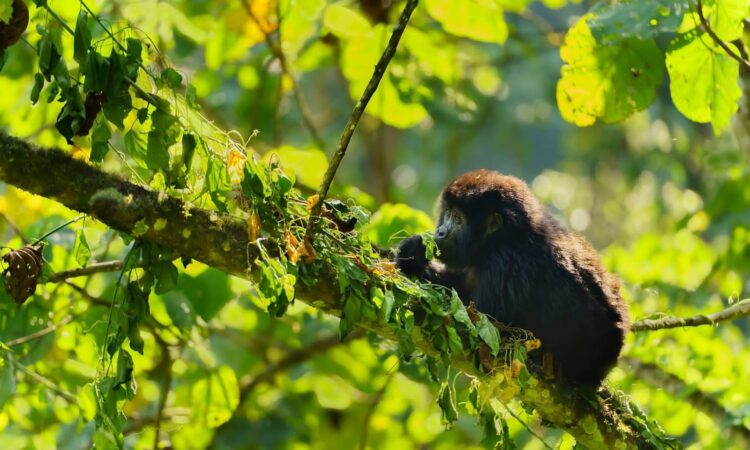
Other than mountain gorillas, Bwindi Forest supports a range of wildlife and you may come across some. Over 360 bird species live within Bwindi Impenetrable Forest. Still inside, there are 200 species of trees, forest elephants, buffaloes, and giant forest hogs. Primate species also include chimpanzees, black and white colobus monkeys and L’Hoest’s monkeys.
The Batwa cultural experience will be additional activity for the day. This is done in the nearby Batwa community and the overall experience covers interacting with the renowned Batwa pygmies. Learn in depth how they managed to stay for thousands of years as hunter-gatherers. Also, discover their unique hunting and gathering techniques, lifestyles, traditions, cultures, practices, stories. All these will be accompanied by great traditional/cultural dances, music performances and so much more. Later return to the accommodation for leisurely dinner and overnight stay.
Day 3: Drive back to Entebbe.
A leisurely breakfast early morning; check out of the lodge and then board your 4×4 drive vehicle. With your interactive driver guide, return to Entebbe city while viewing the spectacular hillside of Kigezi and Ankole regions. Stopover at Equator crossing is for photography. Before that, a stop at Mpambire Drum Makers offers insight into how African drums are made traditionally.